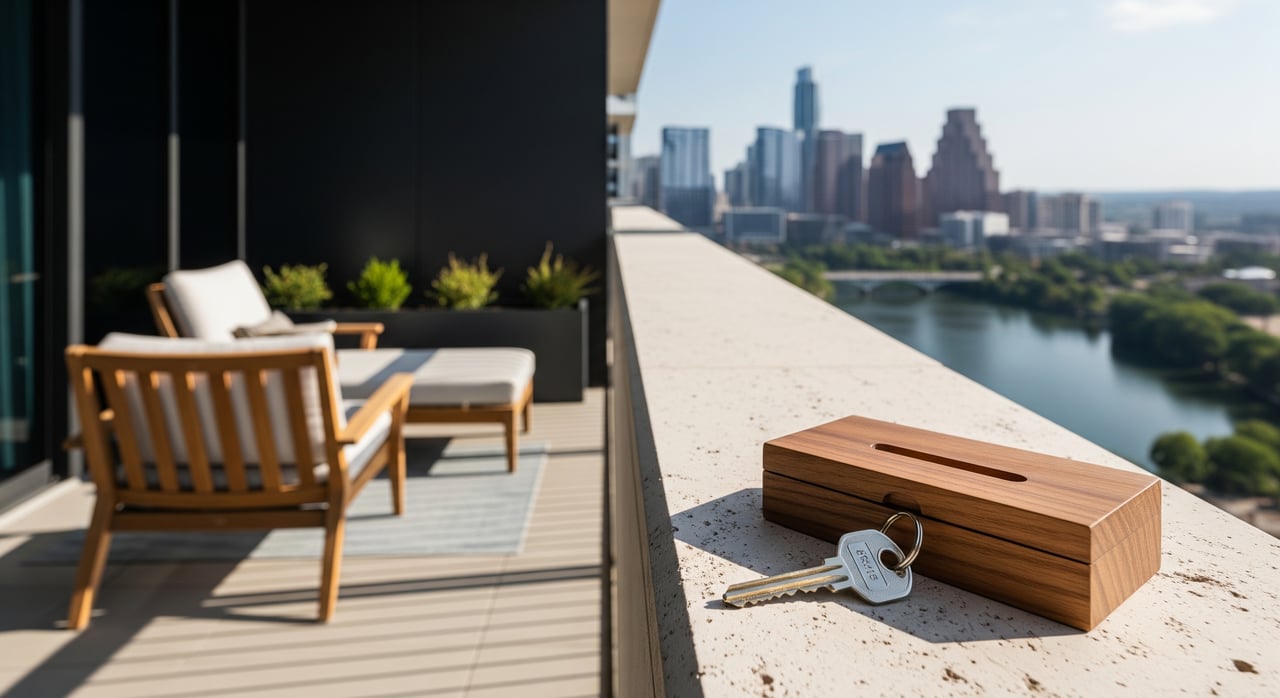
Buying a Downtown Austin condo and want to know exactly what happens between offer and keys? You are not alone. Condos add HOA documents and lender project reviews to the mix, which can stretch timelines if you are not prepared. In this guide, you will see a clear, week-by-week escrow roadmap, Q1-specific tips, and the major pitfalls to avoid so you can close on time with confidence. Let’s dive in.
Escrow basics for Austin condos
In Texas, the title company acts as the escrow holder. They collect earnest money, coordinate documents, issue the title commitment, and handle closing and recording with Travis County. Your contract sets the timelines, including the option period, financing deadlines, and closing date.
Most financed condo purchases close in about 30 to 45 days. Cash deals can close sooner. Condo transactions often run longer than single-family because HOA resale documents and lender condominium-project reviews take time.
If you are targeting a Q1 closing, plan for variable lender and appraiser capacity after the holidays. HOA boards and managers may also have slower response times early in the year.
Key steps from offer to close
Contract acceptance and earnest money
Once your offer is accepted, the clock starts. You deposit earnest money with the title company, and contact details are shared among all parties. Confirm the title company quickly so everyone can begin on time.
Option period and inspections
Your option period is the window to inspect and negotiate repairs. For condos, inspections focus on the unit systems and visible elements, with limited access to common areas. Keep this period efficient so you have time to react.
HOA and condo resale documents
The seller or association provides the resale certificate and condo documents. Expect bylaws, declarations, budgets, minutes, reserve studies, insurance information, rental rules, and any special assessment or litigation disclosures. You and your lender will review these for both project eligibility and loan underwriting.
Lender application, underwriting, and appraisal
You complete your loan application and supply income, asset, and tax documents, plus HOA materials if requested. Your lender orders the appraisal, and the appraiser inspects the unit. The underwriter reviews everything, issues conditions, and later provides a loan commitment or a clear to close once conditions are satisfied.
Title work and association items
The title company issues a title commitment and confirms there are no association liens or unpaid assessments. Your lender may require a condominium questionnaire, condo certification, and evidence of the master insurance policy. Title also coordinates any required HOA estoppel or certifications.
Closing, funding, and recording
You receive final figures and wiring instructions, then sign closing documents in person or via remote options when available. The title company funds the transaction, records with Travis County, and disburses proceeds. Keys transfer according to the contract.
Downtown-specific condo nuances
High-rise and mixed-use buildings
Many Downtown Austin condos are high-rise or mixed-use. Retail on the ground floor, amenity packages, and parking structures can affect value, underwriting, and appraisal comparables. Your lender may apply additional review for properties with commercial space.
Association layers and documents
Expect multi-layered governance. There can be a unit owners’ association plus master, vertical, or parking associations. Gather a complete resale package with minutes, budget, reserve study, insurance declarations, rental policy, and any assessment notices.
Project approval and loan programs
Some lenders and loan programs require condo-project approval. High investor ratios, pending litigation, excessive commercial area, or limited reserves can complicate approval. Start this review early to avoid bottlenecks.
Insurance coverage and claims history
Lenders look closely at the master insurance coverage and claims history. Large or recent claims can delay or limit financing options until clarified.
Owner-occupancy and rental rules
High investor ownership or short-term rental allowances can affect eligibility for certain loan programs. Ask for the current rental and occupancy policies up front.
Parking, storage, and deeded rights
Confirm whether parking and storage are deeded, assigned, or leased. These details matter for title, taxes, and appraisal comps and should be verified early.
Your week-by-week timeline
30-day close roadmap (aggressive)
- Week 0 (Day 0–3): Offer accepted
- Deposit earnest money. Confirm title company and contacts.
- Send full loan application and documents to your lender.
- Seller requests HOA resale certificate and condo docs.
- Week 1 (Day 4–10): Inspections and documents
- Complete inspections during the option period.
- Receive resale certificate and condo documents; title starts the commitment.
- Lender orders appraisal and any condo questionnaire.
- Week 2 (Day 11–17): Appraisal and underwriting
- Appraiser schedules and inspects the unit.
- Underwriter reviews your file and issues conditions.
- Finalize any repair negotiations in writing.
- Week 3 (Day 18–24): Final underwriting
- Satisfy any remaining conditions, including HOA clarifications.
- Lender aims to issue clear to close.
- Title prepares closing statements and wiring instructions.
- Week 4 (Day 25–30): Signing and recording
- Sign closing documents and wire funds.
- Title funds, records, and disburses; keys transfer per contract.
45-day close roadmap (common)
- Week 0 (Day 0–3): Offer accepted
- Same as above.
- Weeks 1–2 (Day 4–14): Option period and HOA docs
- Complete inspections and negotiate repairs.
- Seller orders resale certificate; association may take 10–14 business days.
- Week 3 (Day 15–21): Project review and appraisal scheduling
- Lender reviews condo documents for project eligibility.
- HOA or property manager completes condo questionnaire if required.
- Week 4 (Day 22–28): Appraisal and underwriting
- Appraisal is performed; underwriter issues conditions.
- Lender and appraiser may address downtown high-rise comparables.
- Weeks 5–6 (Day 29–42): Clear conditions
- Resolve remaining items, like assessments or insurance clarifications.
- Lender works toward clear to close; title clears any exceptions.
- Week 7 (Day 43–45+): Closing and recording
- Schedule signing; title funds and records; post-closing notices to the HOA follow.
Q1 buyer checklist
- Get fully preapproved and share the condo address with your lender early.
- Ask who pays for the HOA resale certificate per the contract and when it will be ordered.
- Request meeting minutes, current budget, reserve study, insurance declarations, and any assessment or litigation disclosures at once.
- Ask your lender about condo-project approval needs and expected appraisal scheduling.
- Gather lender documents: W2s, tax returns, bank statements, and any gift letters.
- Build in a 10–14 day cushion if HOA or project reviews run long in Q1.
Common delays and how to avoid them
- HOA document delays: Order the resale certificate immediately and confirm delivery timelines in writing.
- Condo-project approval snags: Have the HOA complete the lender’s condo questionnaire quickly and flag reserves, litigation, and insurance items early.
- Appraisal comparables in high-rises: Share recent relevant sales and unique unit features with your lender to support the appraiser’s analysis.
Who does what in escrow
- Buyer: Provide lender documents fast, complete inspections within the option period, and coordinate signing and wires on time.
- Seller: Authorize the resale certificate request, provide access for inspectors and the appraiser, and disclose assessments or repair plans.
- Real estate agent: Order the HOA resale package early, track lender and title deadlines, and help you review condo materials.
- Lender: Manage underwriting, order the appraisal and condo review, and communicate conditions and timing.
- Title company: Issue the title commitment, coordinate HOA estoppel or certifications, prepare closing statements, and handle funding and recording.
- HOA or property manager: Deliver the resale certificate, budget, minutes, insurance, reserve study, litigation info, and complete lender questionnaires when requested.
Closing day and what to expect
You will review final statements from title, wire your funds, and sign your loan and deed documents. Title will fund and record with Travis County, then disburse proceeds. Keys are exchanged as the contract outlines. After closing, ensure the association has updated owner information and understands your move-in logistics.
Ready to map this to your specific building and timeline? Reach out for a tailored plan, introductions to vetted lenders and inspectors, and hands-on guidance from offer to keys with Michael Mechler.
FAQs
How long does condo escrow take in Downtown Austin?
- Most financed condo purchases close in about 30 to 45 days, with condos sometimes running longer due to HOA documents and lender project reviews.
What is a resale certificate and why does it matter?
- The resale certificate and condo documents outline rules, budgets, insurance, assessments, and disclosures your lender and you review for eligibility and risk.
Who pays for the HOA resale certificate in Texas?
- Payment is based on the contract; clarify responsibility at acceptance and order the packet immediately to avoid delays.
How does the option period work for condos?
- It is a negotiated inspection window, typically several days, where you can inspect and negotiate repairs or terminate per the contract terms.
Will FHA or VA loans work for every downtown condo?
- Not all projects meet specific program requirements; confirm project approval or eligibility with your lender early in the process.
What can delay an appraisal in high-rises?
- Appraiser scheduling, limited comparable sales, or building-specific complexity can add time; sharing recent sales and details can help.
Do parking and storage affect closing?
- Yes, deeded or assigned parking and storage impact title and appraisal, so verify these rights early to prevent last-minute issues.